Guide to Traveling with Kids
Traveling with children can be one of the most exciting seasons of family life, but it’s also the one that requires the most preparation, patience, and flexibility. From choosing the right car seat and navigating airport security to keeping sleep schedules intact and managing the inevitable surprises of family travel, there’s a lot to think about before you ever leave the driveway. That’s why I created this guide — to make travel with kids feel less overwhelming and far more enjoyable.
In the sections ahead, you’ll find practical tips, evidence-informed strategies, and mom-tested insights that simplify planning, reduce stress, and help you feel confident whether you’re heading out for a road trip, catching a flight for international travel, or taking your first overnight away as a family. Consider this your starting point for making travelling with children smoother, calmer, and much more meaningful.
Guide to Traveling with Kids
There’s something sacred about packing up your family and stepping into the world together. It’s messy, yes: the car seats that never quite fit right, the overstuffed bags, the inevitable snack crisis at 30,000 feet. Yet it’s also transformative. Traveling with kids isn’t just about going somewhere new; it’s about rediscovering each other outside the rhythms of home. It’s where structure gives way to curiosity, and the smallest moments — a shared sunrise, a laugh in a foreign grocery store — remind you why you said yes to family life in the first place.
This Guide to Traveling with Kids blends practical strategies with evidence-informed insight to help you plan, pack, and navigate the experience with less stress and more meaning. Whether you’re preparing for international travel, your first road trip, or just an overnight stay, this guide covers what matters most: calm parents, curious kids, and memories that last far longer than the jet lag.
Why Travel With Kids
1. Travel Develops Adaptability and Cognitive Growth
Children are wired to learn through experience, and travel is one of the richest classrooms available. Studies in child development show that early exposure to new environments enhances flexibility, creativity, and emotional regulation.
Each unfamiliar setting engages the sensory and cognitive systems that help kids process change. Trying a local food, hearing a new language, or sleeping in a different room stimulates the brain’s adaptability circuits, laying groundwork for comfort with uncertainty later in life.
Tip: Before a big trip, show younger children photos or short videos of your destination. Pre-exposure helps their brains build familiarity, easing travel-day anxiety.
2. Travel Strengthens Family Bonds Through Shared Stress
It’s not the postcard-perfect moments that cement family memories, it’s how you navigate the imperfect ones together. Research on family resilience shows that shared mild stress (like flight delays or lost luggage) can strengthen cohesion when handled calmly.
When your child watches you problem-solve or reframe a setback with humor, they learn emotional regulation in real time. In this way, travel becomes a living lesson in patience, teamwork, and perspective.
3. Travel Recalibrates the Family System
At home, we fall into familiar patterns: who makes breakfast, who packs the bags, who mediates the meltdowns. On the road, those roles soften. Parents rediscover play; kids experience agency. The daily scripts loosen, and everyone gets to meet each other anew.
For mothers especially, travel can temporarily redistribute the invisible labor of family life — something I wrote about here. When the world expands, the mental load lightens, even briefly.
4. Because Sometimes, Travel Is Necessary
Family travel isn’t always glamorous or optional. Sometimes it’s a family reunion, a medical trip, or a cross-country move. When travel is a need, not a choice, preparation becomes as emotional as it is logistical.
Tip: Build one “buffer day” before and after mandatory trips. Kids need decompression time to regulate their circadian rhythm, digestion, and sense of safety before jumping back into routine life.
How To Travel with Kids Stress Free
1. Plan Around Sleep, Not Schedules
A child’s sleep schedule anchors their mood, behavior, and immune function. Protecting it during travel is the single most effective way to minimize meltdowns, for them and you.
For toddlers and preschoolers: schedule travel during naps or quiet time.
For older kids: travel early in the day when cortisol is naturally higher and patience levels peak.
For international travel: shift bedtime by 30 minutes per night leading up to departure to ease jet lag.
Pro tip: Exposure to natural morning light helps reset circadian rhythms faster than any supplement or screen-free rule.
2. Involve Your Kids in Planning
Involvement breeds cooperation. Let your child choose one activity or meal at your destination. Give them a small backpack for travel-day essentials (snacks, coloring, headphones). For older kids, share the itinerary and let them navigate a part of it, even if it’s just finding gate numbers or mapping walking routes.
This autonomy transforms passive participants into engaged travelers, reducing resistance and fostering independence.
3. Pack Light, but Pack Intentionally
Packing light isn’t about minimalism for the sake of it; it’s about cognitive bandwidth. Every extra item becomes one more decision.
Use packing cubes (truly a game changer) to separate items by child or category. Choose color-coordinated outfits that mix and match, and always pack one emergency outfit per person in your carry-on.
What to skip: Duplicate toys, bulky blankets, and too many shoes. Most forgotten items can be replaced, but your peace of mind cannot.
4. Expect (and Embrace) Imperfection
Travel with children will never be flawless — and that’s the point. The spilled juice box, the lost stuffed animal, the overtired tears at baggage claim, they’re not signs of failure. They’re signs of real life happening.
When parents reframe mishaps as stories instead of setbacks, kids learn that adaptability is strength. This mindset doesn’t just make the trip smoother; it models emotional intelligence for years to come.
5. Build in Downtime
Kids’ nervous systems thrive on predictability, so balance stimulation with recovery. One structured activity per half day is plenty. Fill the rest with spontaneous play, slow breakfasts, or quiet hotel time.
Tip: Think of travel like a pendulum, stimulation on one side, rest on the other. Families that honor both ends of that swing travel happier and recover faster.
6. Choose Family-Friendly Stays
A great family travel setup isn’t just about location; it’s about flow and forethought. When you’re booking, consider the full rhythm of your family’s day and how the space can support it.
Look for accommodations that offer:
Kitchenettes or access to real food prep
Laundry facilities
Walkable surroundings for stroller-friendly breaks
And before you arrive, call ahead. Many hotels, rentals, and resorts can help with family-specific arrangements like:
Grocery delivery upon arrival (some even stock your fridge)
Car seat and stroller rentals
Pack-n-plays, cribs, and toddler sleep setups
Extra fans or white noise machines
Depending on where you’re staying, many properties have these items on hand or can connect you with trusted local rental services that deliver directly to your room. These small conveniences often make the difference between “barely surviving” and actually relaxing once you arrive.
7. Prepare for the Unexpected
Your emergency kit is your sanity kit. Pack:
Extra clothes for each family member
A small first-aid kit (adhesive bandages, fever reducer, motion-sickness aids)
Wet bags or zip-top bags for spills
Reusable snack containers and wipes
Portable charger and nightlight
Even if you never use half of it, knowing it’s there lets your body relax, and kids feed off that calm energy.
What To Bring When Traveling with Kids
Car Seat or Booster Seat
Safety and familiarity make travel smoother. Portable options like the WAYB Pico Travel Car Seat or BubbleBum Inflatable Booster are FAA-approved, lightweight, and fold down easily. If you’re renting a car, confirm compatibility and check for anchor systems in advance.
Tip: A familiar car seat also doubles as a nap-safe space during layovers or road-trip breaks.
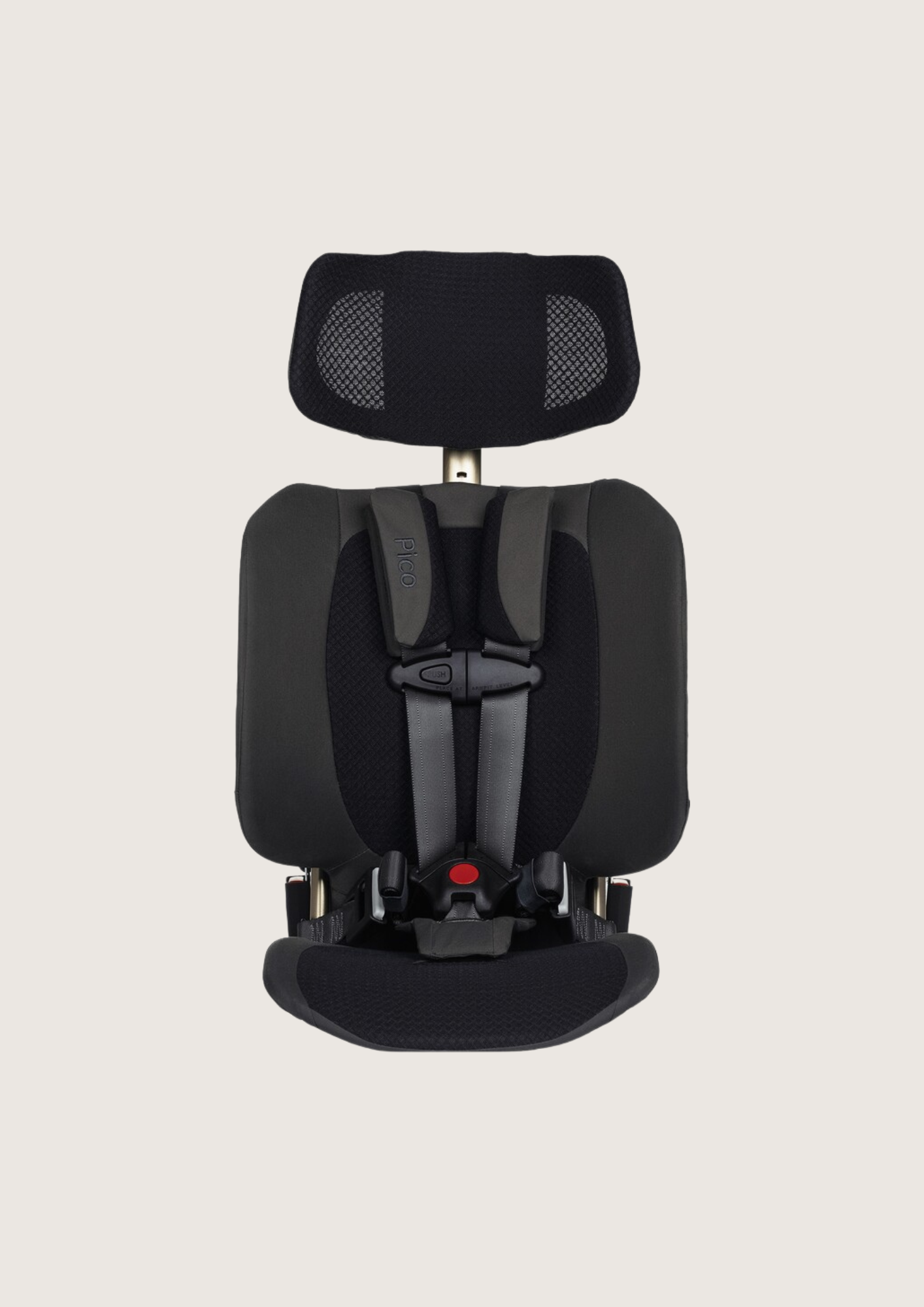
WAYB Pico Travel Car Seat at Nordstrom
Travel Stroller
A compact stroller (like the Babyzen YOYO2 or Joolz Aer+) navigates tight terminals and cobblestone streets without breaking stride. Look for one that reclines fully for naps and has a sun canopy for long sightseeing days.

Joolz Aer+ at Nordstrom
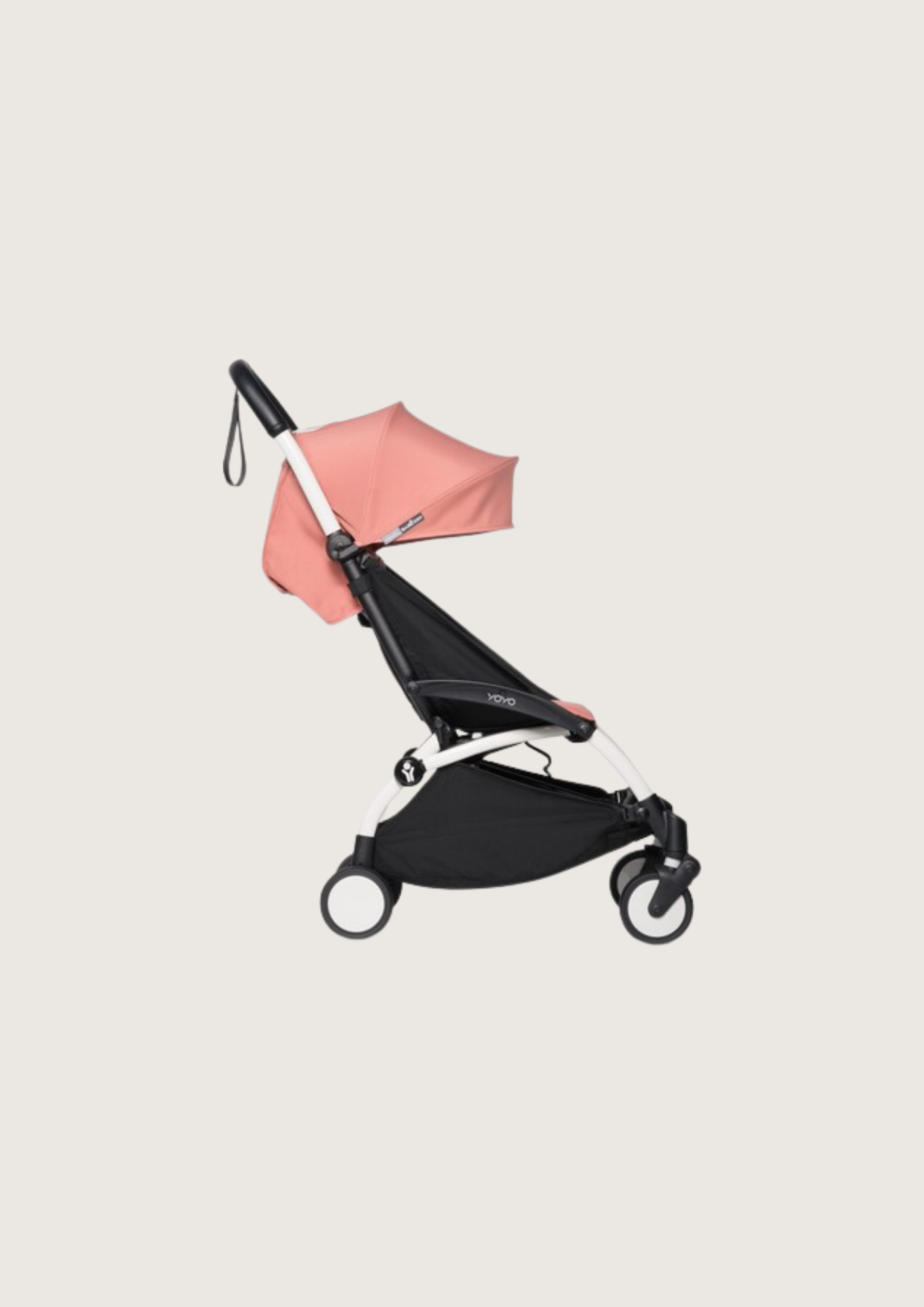
BABYZEN YOYO Stroller at Nordstrom
Snack Kit
Think beyond the usual chips or crackers. Portable, protein-rich snacks are the secret weapon for keeping everyone’s moods stable and blood sugar balanced on travel days. The goal isn’t perfection — it’s preparedness. Pack a mix of shelf-stable, high-protein options that taste good, travel well, and don’t leave sticky fingers behind.
Some tried-and-true favorites for family travel include:
Chomps Beef Snack Sticks – grass-fed, zero-sugar protein sticks that come in kid-friendly flavors and fit easily into carry-ons or lunch boxes.
Carnivore Bar – nutrient-dense, shelf-stable bars made from grass-finished beef, perfect for long days or when meal options are limited.
Stainless Steel Bento Box – great for portioning fruit, cheese sticks, veggies, or crackers into tidy compartments that won’t get crushed in your bag.
If you want something crunchy or sweet to round things out, add nuts, freeze-dried fruit, or clean-ingredient granola bites. Avoid snacks that melt, crumble, or require refrigeration once opened.
Pro tip: Before leaving, portion everything in advance into the bento box or reusable pouches so kids can serve themselves when hunger strikes. It keeps them occupied, reduces mess, and prevents mid-flight hanger.
First-Aid & Health Kit
In addition to the basics, include child-safe immune support (vitamin C, zinc, or elderberry gummies if approved by your pediatrician). For long-haul international travel, pack a thermometer and electrolyte packets to stay ahead of dehydration.
Also tuck in a mini spray bottle of Force of Nature Cleaner — it’s non-toxic, travel-friendly (about the size of a water bottle), and kills 99% of germs without harsh chemicals. Perfect for sanitizing tray tables, highchairs, hotel remotes, or car-seat buckles on the go.
Sleep Essentials
Recreate the cues of home. Bring a travel sound machine, your child’s small blanket, and their favorite sleep item. Use blackout curtains or a makeshift blanket clip to block hotel light.
For portable options, the Sleepout Portable Blackout Curtain is a game changer for preserving your kids’ sleep schedule. It suctions right to hotel or rental windows to block light and maintain sleep consistency after long travel days or late flights.
Tip: To manage jet lag, get outside during daylight hours and avoid long afternoon naps.
Refillable Water Bottles
Each family member gets one — stainless steel, leak-proof, easy to clean. I love Hydro Flask bottles for keeping water cold all day. Staying hydrated supports digestion, immune function, and mood regulation while traveling.
Packing Cubes
They make unpacking effortless and repacking fast. Assign each child a color, and roll clothes to maximize space. The best part? When something spills, you’re not digging through an entire suitcase to fix it.
Comfort Item
Familiarity is grounding for kids. A stuffed animal, small blanket, or even pillowcase from home provides sensory comfort during overstimulating transitions.
The Journey within the Journey
Family travel isn’t about perfect itineraries, it’s about presence. It’s about remembering that our kids won’t always need us to zip their suitcases or buckle their booster seats. Someday, they’ll take their own trips, and these chaotic, beautiful, half-exhausted adventures will be the stories they tell about what love looked like.
Travel reminds us that parenting isn’t just about raising kids; it’s about raising explorers, thinkers, and future adults who see the world as open and inviting. And that’s worth every spilled juice box, every rerouted flight, every minute of lost sleep.
Because in the end, travel with kids isn’t about the distance you go, it’s about the closeness you bring home.